The appearance of a hernia can raise concern and questions about what steps to take.
A priori, what you should know is how to identify them, what the symptoms are and in which areas of the body they usually appear.
The second thing, obviously, will be to visit your family doctor who will surely recommend that you visit a specialist.
Will you need surgery?
Well, not all hernias need surgery, discover here which cases warrant a visit to the operating room.
How to know if I have a hernia
Detecting a hernia can be intriguing, especially if you are the one who notices that “something is up.”
What are the signs that may indicate the presence of hernias? Broadly speaking:
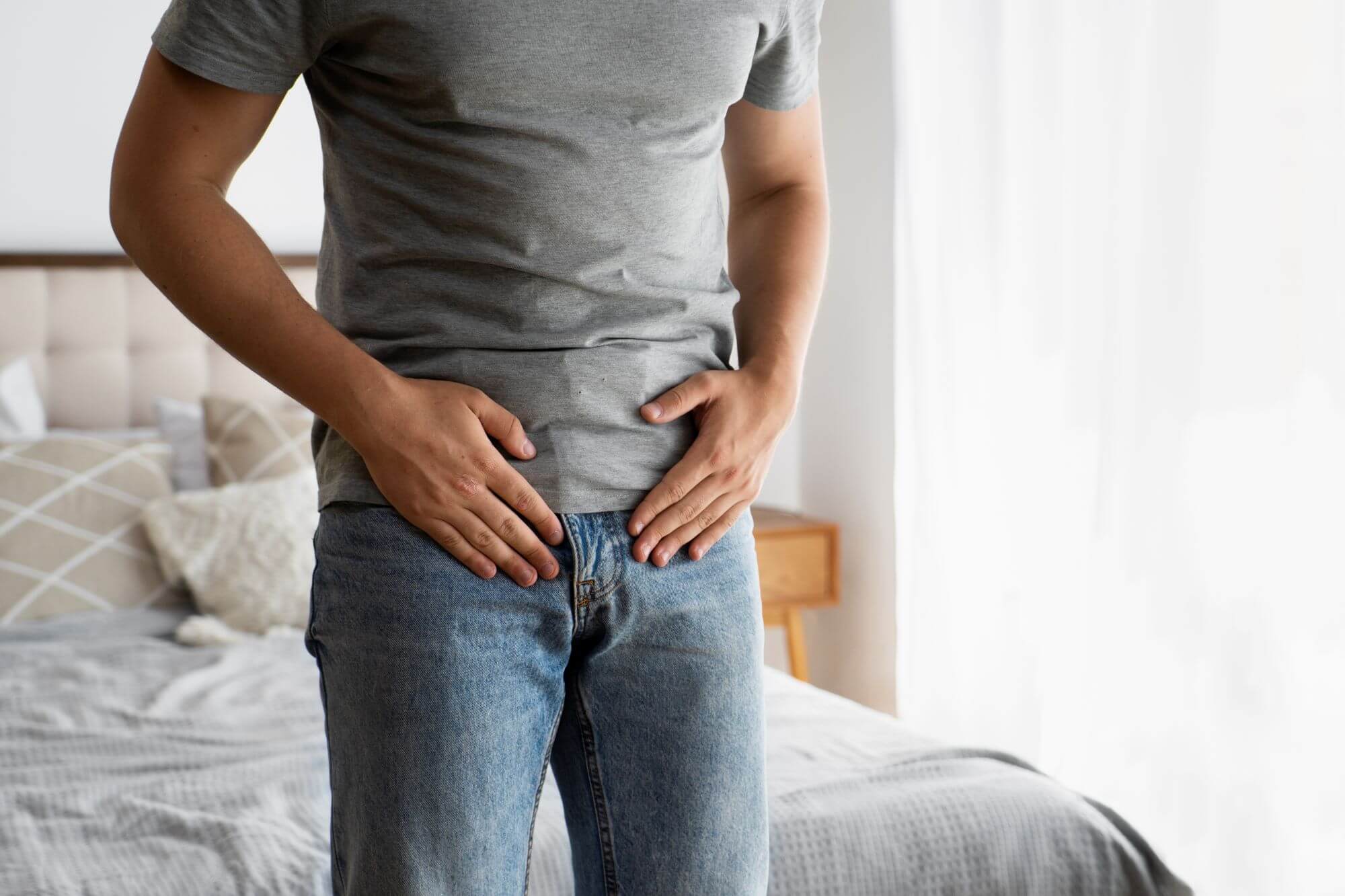
- Notice a lump or bump on the skin (which may be more noticeable during activities such as lifting heavy objects or during physical activities).
- Pain in that region.
- Feeling of heaviness in the affected area.
The incidence of hernias shows a slight prevalence in men compared to women, the proportion being approximately 2 to 1.
Let's talk about hernias...
The first thing is to understand what they are, right?
Hernias occur when an organ or tissue protrudes through an opening or weakness in the muscle wall that normally holds it tightly.
This phenomenon can result in the formation of a lump that is tangible to the touch and sometimes visually noticeable.
Hernias usually manifest in specific areas of the body, such as the inguinal region, the abdomen or around the navel, where the abdominal wall becomes vulnerable to tissue protrusion.
It is essential to understand that hernias vary in size and can be asymptomatic in the initial stages, although early detection is crucial to prevent later complications.
Symptoms
The appearance of a lump or protrusion, accompanied by pain or discomfort in the affected area when lifting heavy objects or performing strenuous activities, is a common sign of a hernia.
In some cases, the hernia may cause burning, a feeling of heaviness, or discomfort (when coughing, sneezing, or swallowing).
And, less commonly, there may be constipation or difficulty passing stool.
You may be interested in: 9 care for a healthy colon.
Causes
Hernias often result from a combination of muscle weakness and physical exertion.
Factors such as aging, obesity, pregnancy, constipation and repetitive weight bearing can contribute to the development of hernias.
It is important to keep in mind that, although these factors can increase the likelihood of developing a hernia, prevention and proper care when performing physical activities are essential to reduce the risk of its formation.
Types of hernias
The classification of hernias depends on their location in the body. The five most common are:
Inguinal hernias
They are bumps or lumps that form when part of the intestine protrudes through a weakness or opening in the muscular wall of the groin.

If left untreated, they can lead to serious complications such as strangulation, where the blood supply to the herniated tissue is compromised, which can be a medical emergency.
Umbilical hernias
Umbilical hernias occur when a portion of the intestine or other abdominal tissue protrudes through a weakened area near the belly button. They can lead to intestinal problems and should be monitored closely.
Among the most common hernias, inguinal hernias stand out, with an incidence that represents around 75% of all hernia cases. They are followed by umbilical and ventral hernias, with approximately 15% and 10% incidence, respectively.
Hiatal hernias
Hiatal hernias occur when part of the stomach protrudes through the diaphragm into the chest.
In the long term, without treatment, they can increase the risk of gastroesophageal reflux disease (GERD) and esophagitis.
Ventral hernias
These occur when a portion of the intestine or abdominal tissue protrudes through a weakness in the abdominal wall.
If left unaddressed, they can increase in size and cause intestinal blockages.

Incisional hernias
They are a specific type of ventral hernias that develop at the site of a previous surgical incision in the abdominal wall.
They can cause chronic pain and require surgical repair.
I have a hernia, what is the best treatment?
Treatment for hernias can vary and depends on the type and severity of the hernia.
In some cases, they can be managed with lifestyle changes, the use of supportive devices such as girdles, and regular monitoring.
However, in more serious situations, especially when there is a risk of strangulation, surgery may be recommended.
The laparoscopic hernia surgery, which is minimally invasive, is considered the best option due to its benefits in terms of recovery time and reduced postoperative risks.
Do you think you have a hernia? Visit your doctor
It is essential to seek medical attention if you suspect a hernia or any change in the abdominal or inguinal area.
→ Regular monitoring by a health professional is essential to assess the severity and determine the most appropriate treatment.
Many hernias that are not treated develop complications that must then be treated urgently and with surgery.
So, the best thing you can do is go to your doctor, he will perform a complete physical examination and, if necessary, order additional tests to confirm the diagnosis.
Now, if you already have a diagnosis that requires surgery, we recommend laparoscopic surgery as it is more precise and effective with quick recovery.
Contacta a Innova, especialistas en cirugía robótica y laparoscópica para obtener más información, haz clic aquí >>
Remember, early care can help prevent serious complications associated with hernias and allow for effective management of this medical condition.